In the modern era, where sustainability and smart technology define business progress, the hospitality sector is undergoing a profound transformation. Behind this change are engineers — the invisible architects ensuring that hotels, resorts, and event venues operate responsibly while maintaining guest comfort and luxury.
Engineers today are at the heart of a quiet revolution: one that merges sustainability, innovation, and guest experience into a seamless, efficient system. From intelligent building design to energy-efficient infrastructure, their expertise is helping hospitality move toward a greener and more data-driven future.
Engineering the Future of Hospitality
At the core of this evolution lies the drive to reduce environmental footprint while enhancing service quality. Engineers are implementing technologies like smart HVAC systems, occupancy sensors, water-leak detection, and energy-management dashboards that automatically adjust settings based on real-time data.
These systems do more than save energy — they redefine operational intelligence. Building management software now enables predictive maintenance, early fault detection, and energy-use analytics that allow hoteliers to act before waste occurs.
“Engineering is where sustainability becomes measurable,” said Dr. Samiullah Khan, an industry leader and author known for his work with Active Pure, an air-purification technology developed by Roya that enhances indoor air quality while reducing energy consumption. “We no longer see sustainability as a separate project — it’s embedded into design, operation, and guest well-being.”
Smart Systems at the Core of Transformation
The integration of technology has reshaped how hotels function day to day. Engineers are deploying IoT-enabled sensors and AI-driven systems that respond instantly to changes in occupancy, temperature, or daylight. When a guest leaves a room, lights and cooling systems adjust automatically — a small change that can reduce energy use by nearly 30 percent.
Data plays an equally critical role. Through connected systems, energy and water consumption data can now be monitored across an entire property. Engineers design these networks so that facility managers can visualize performance trends, identify inefficiencies, and continuously improve environmental results.
Renewable-energy integration has also become standard in forward-thinking hotels. Solar panels, smart inverters, and energy-storage batteries work in harmony with building systems — another testament to engineering precision ensuring both sustainability and uninterrupted service.
Overcoming Technical and Cultural Barriers
Despite rapid innovation, the path to a greener hospitality sector presents complex challenges. Many older hotels still rely on legacy infrastructure, making the integration of modern systems difficult. Engineers must design retrofit-friendly solutions that adapt without disrupting guests.
The financial aspect is another key hurdle. Advanced sustainability systems often require significant initial investment. To overcome hesitation, engineers present detailed feasibility models showing long-term cost recovery, energy savings, and enhanced guest satisfaction.
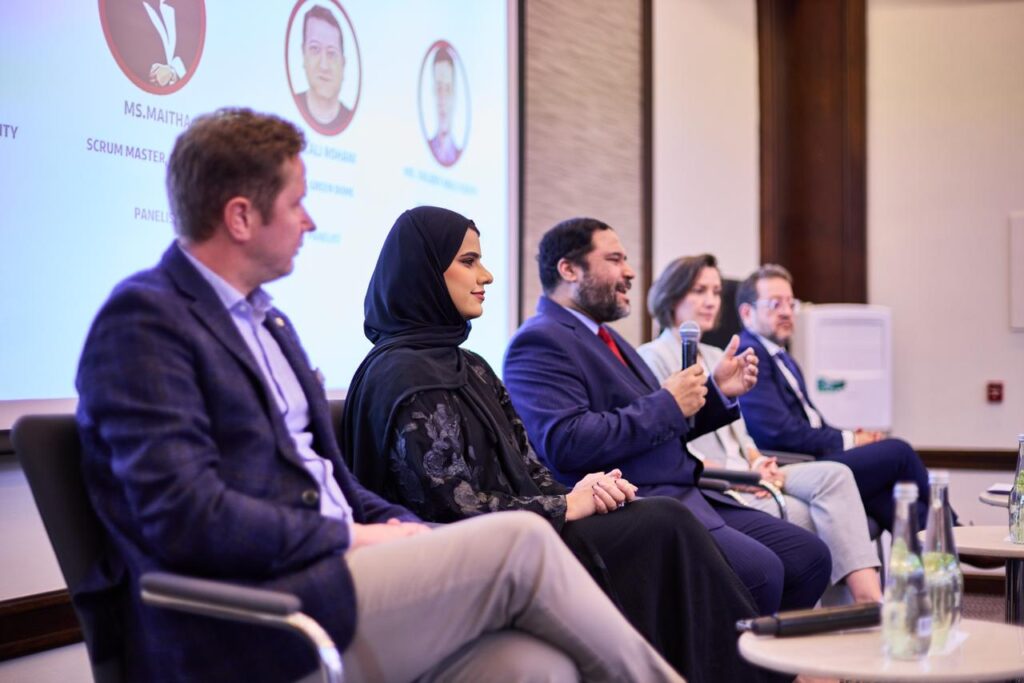
Beyond the technical, there’s also a cultural challenge. “Technology is only as effective as the people who use it,” remarked one participant during the Sustainability & Engineering in Hospitality Forum. Training and engagement of hotel staff remain vital to realizing the full potential of these technologies.
Collaboration: The Foundation of Sustainable Progress
One of the most significant shifts in the industry is how interdisciplinary collaboration now defines project success. Engineers, architects, sustainability officers, and designers are working together from the planning phase onward. This holistic approach ensures that every system — from air circulation to lighting — supports both comfort and conservation.
Through this collaboration, hotels are meeting international green standards such as LEED (Leadership in Energy and Environmental Design) and BREEAM, enhancing reputation and market appeal while reducing operational costs.
These achievements are not only technical; they are cultural milestones demonstrating that sustainability can coexist with luxury when guided by solid engineering principles.
“Sustainability and green finance go hand in hand with agility,” said Eng. Maitha Al Balooshi, emphasizing how the hospitality industry must stay adaptive and innovative to achieve lasting environmental and economic balance.
The Human Element in Smart Design
The hospitality industry has long been defined by service and human connection. Engineers are ensuring that technology enhances, rather than replaces, that experience. Smart-room systems allow guests to customize lighting and temperature through mobile apps, while automation frees staff from manual monitoring to focus more on personalized service.
The goal, as Dr. Sam and Roya emphasize, is a seamless balance between comfort and conscience — where sustainability becomes part of the hospitality DNA rather than an added feature.
The future of hospitality belongs to adaptive, self-regulating environments. Upcoming hotels will feature AI-based energy forecasting, automated maintenance alerts, and real-time sustainability scoring. Engineers will continue leading this evolution — integrating innovation with ethics, and technology with humanity.
In an industry where comfort meets consciousness, it’s the engineers who are quietly building the future. Their systems may be invisible, but their impact is unmistakable — shaping a world where sustainability is not just practiced but engineered into existence.